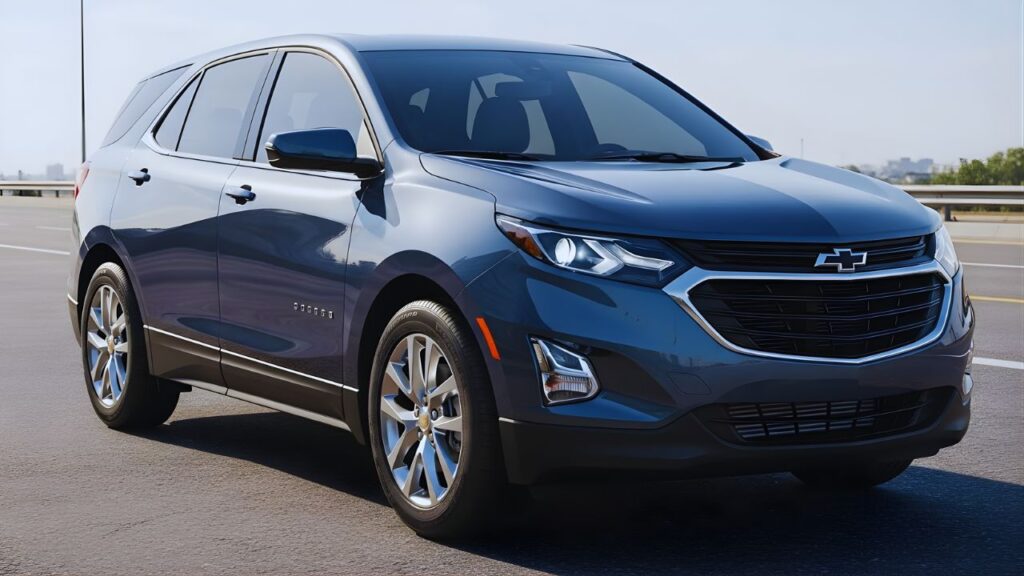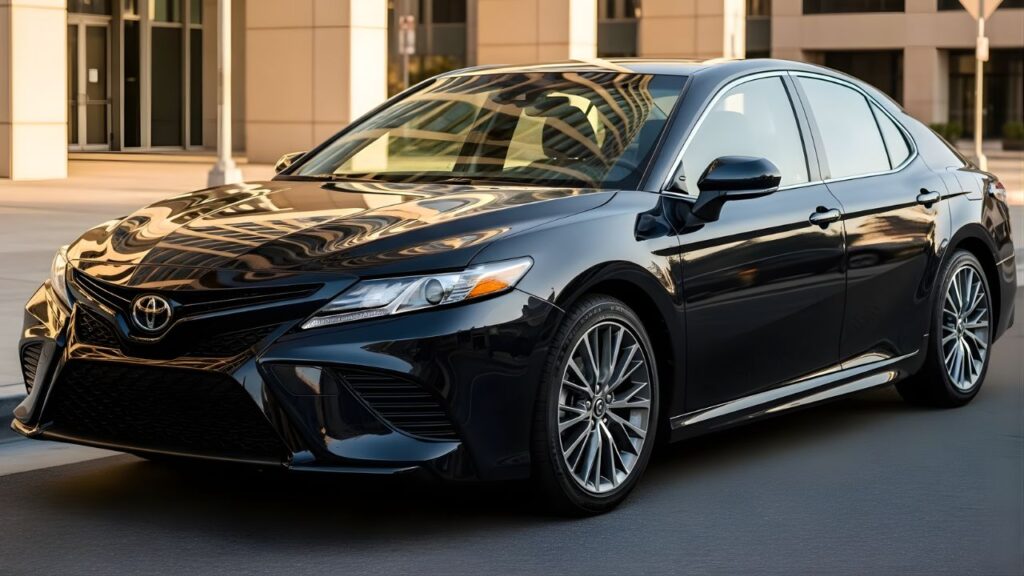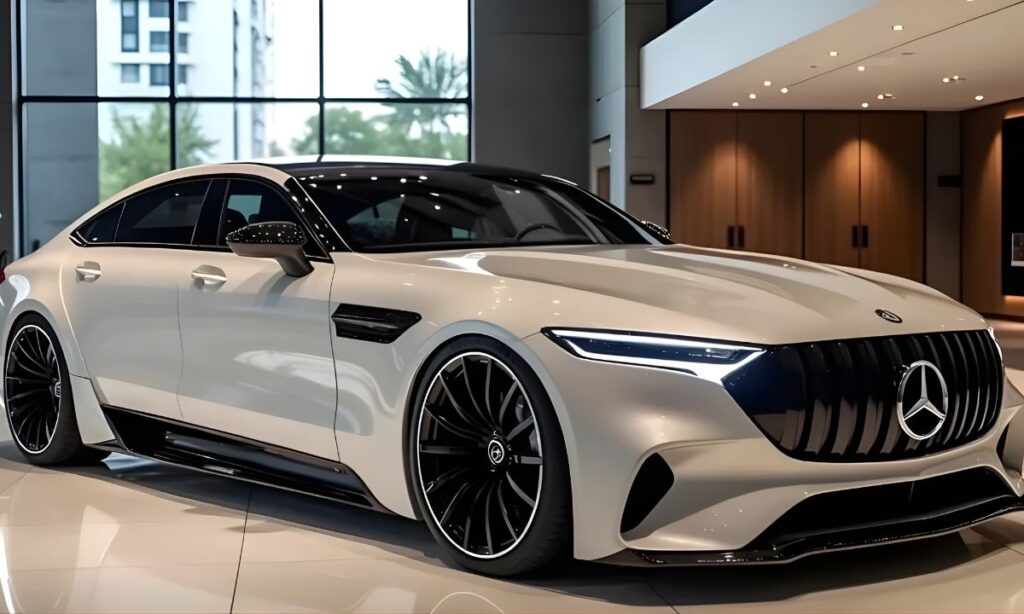
Mercedes-Benz E-Class 2025: The 2025 E-Class keeps Mercedes’ mid-size executive formula intact: a heavily appointed cabin, refined ride, and a technology stack that edges toward the S-Class. But this year the lineup puts clearer distance between pragmatic luxury (E350/E450) and electrified performance (AMG E-53 Hybrid), making it easier to choose for real needs — commuting, chauffeur duty, or weekend thrills.
What changed for 2025 — quick snapshot
- Trim consolidation and clearer pricing tiers. Mercedes simplified options and emphasized two purchase stories: luxury refinement (E350/E450) and performance-electrified (AMG E-53 Hybrid). Starting MSRPs cluster in the low-to-mid $60k range for base models, rising toward the high-$80k to $90k zone for AMG plug-in examples.
- Electrified performance is now mainstream in the lineup. The AMG E-53 returns as a potent plug-in hybrid offering substantial horsepower and an EV mode meaningful for daily commutes.
- MBUX evolution continues. A larger central display, more natural voice controls, and driver-assistance updates make the cabin feel more polished — but complexity remains a real consideration for less technical buyers
Trim & pricing map (concise)
- E 350 / E 350 4MATIC — entry luxury: mid-$60k (US)
- E 450 / higher inline-6 variants — smoother six-cylinder option: mid-$70k.
- AMG E-53 Hybrid — plug-in performance: high-$80k to ~$90k depending on options.
Design & interior — where E-Class wins quietly
Exterior language and what it signals
The 2025 E-Class wears the brand’s current face: restrained, long-hood proportions, and surface treatments that prioritize light and shadow over aggressive creases. It signals elegance rather than showmanship — the visual cue Mercedes wants buyers to read as “mature luxury.” That aesthetic choice also helps aerodynamic efficiency and acoustics, both priorities in this segment.
Cabin experience: materials, space, and the human-machine interface
Step inside and the E-Class reminds you why it sits above the entry-luxury class: soft surfaces, well-executed trim, and seats tuned for long-distance comfort. Mercedes continued to invest in MBUX: a large central touchscreen (14.4″ in many configs), an available 3D instrument cluster, augmented navigation and “Hey Mercedes” voice assistant enhancements. The system delivers depth — more so than most rivals — but it also increases dependency on the software update cadence. If you value tactile simplicity, plan to spend a showroom hour with the software.
 Subaru Outback Review 2026: Reliable Family Crossover SUV, Safety, and Fuel Efficiency
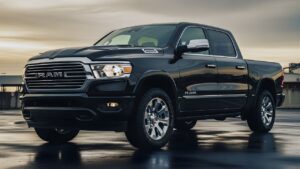 Ram Pickup Review: The Full-Size Truck That Could Replace Your Family Car!
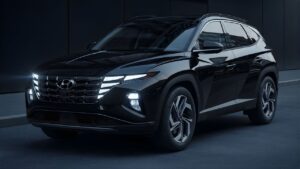 2026 Hyundai Tucson Review: The Fuel-Efficient SUV Everyone’s Talking About!
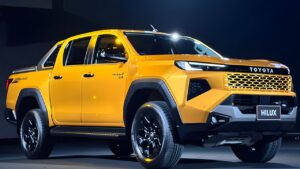 This New Toyota Corolla Pickup Is Changing the Game for Daily Commuters in 2026!
Practical numbers
- Cargo: around 13–19 cu-ft depending on configuration (sedan vs. PHEV pack placement).
- Seating: comfortable for five; rear legroom competitive with segment standards.
Powertrains & performance — from efficient commute to electrified muscle
Base I4 mild-hybrid — everyday refinement
The standard E-Class uses a turbocharged 2.0-litre four with mild-hybrid assist. It’s tuned for smoothness and low-end torque, not outright sportiness; think refined passes and relaxed highway cruising rather than racetrack ambition. Expect 0–60 in the mid-6-second range from the E350, depending on drivetrain and options. This setup balances fuel economy and refinement for the majority of buyers.
Inline-6 and AMG E-53 Hybrid — torque, determinism, and trade-offs
For buyers who want more character, the inline-six (E450 and similar variants) brings a silkier power delivery and improved high-speed composure — the sort of engine that changes the car’s personality from baraoque cruiser to relaxed performance sedan. The AMG E-53 Hybrid, however, is the headline: Mercedes-AMG pairs a 3.0-litre inline-six with a 120 kW electric motor, producing manufacturer-quoted combined outputs that push the E-53 into high-performance territory (hundreds of horsepower, rapid torque delivery) while keeping day-to-day drivability manageable. Realize the trade-off: complexity, extra weight, and a price premium.
Plug-in hybrid electric range and charging realities
Mercedes lists the AMG E-53 PHEV with a manufacturer-stated electric range that can be useful for daily driving. Independent figures (real-world tests) show PHEVs often deliver less range than lab numbers once you consider heating/cooling and spirited driving. Edmunds lists an all-electric range figure in the ~40-mile ballpark for AMG PHEV variants — enough to cover many commutes if you charge regularly. For buyers, the practical takeaway: the PHEV creates a flexible ownership story — commuter EV on short days, powerful hybrid for longer trips — but it only works if nightly charging becomes routine.
Safety & driver assist — what actually matters on long journeys
Standard versus optional: a short checklist
- Standard: automatic emergency braking, lane-keep assist, attention assist, adaptive cruise features in basic form.
- Options/upgrades: augmented MBUX navigation with live camera overlays, more advanced driver assistance packs (adaptive lane centering, advanced adaptive cruise with hands-off capability under certain conditions). These often come in expensive packages.
Real-world caveats
Driver assistance systems have improved, but reviewers consistently point out two things: (1) the systems are excellent at highway cruising but still require attentive supervision, and (2) the complexity and optional nature of top packages mean buyers should scrutinize the window sticker if they expect true hands-off capability. In short: don’t buy the E-Class for “autonomy”; buy it for assistance that reduces fatigue.
Ownership, cost of ownership, and resale — the underreported facts
Service, parts, and depreciation patterns
Mercedes ownership comes with higher scheduled maintenance and parts costs than mainstream brands; the premium biannually shows up in the long term. Resale is stronger than many non-luxury cars but weaker than the very top of the luxury ladder (e.g., certain Benz S-Class and limited AMG models). Recent market signals (price adjustments in various markets, and continued incentives on some EVs) are nudging depreciation patterns unpredictably — another reason to evaluate total cost of ownership (TCO) rather than sticker price alone.
Subaru Outback Review 2026: Reliable Family Crossover SUV, Safety, and Fuel Efficiency
Ram Pickup Review: The Full-Size Truck That Could Replace Your Family Car!
2026 Hyundai Tucson Review: The Fuel-Efficient SUV Everyone’s Talking About!
This New Toyota Corolla Pickup Is Changing the Game for Daily Commuters in 2026!
Best buys by buyer profile (practical buying advice)
- The executive who wants quiet daily travel: go E350 with optional comfort packages. Minimal complexity, strong interior experience.
- The tech-obsessed driver who uses features often: budget for the upgraded MBUX package and drive-assist suite; the software difference is noticeable.
- The buyer who wants performance with fewer range anxieties: the inline-6 E450 balances performance and simplicity better than the heavy PHEV AMG if you rarely charge
- The enthusiast who charges nightly: AMG E-53 PHEV — thrilling, but accept the TCO premium and reduced cargo space.
Verdict — should you buy the 2025 E-Class?
If your priority is a refined cocoon for both driver and passengers, an E-Class is a top pick: the cabin, ride quality, and tech create an experience that rivals — and often outscores — — segment peers on perceived luxury. Choose a base/mid trim for sensible ownership; pick the AMG PHEV only if you will actually use its EV mode daily and desire the extra performance. For fleet purchases (executive cars) the E-Class remains one of the most defensible choices in terms of occupant comfort and brand cachet
FAQ,s Mercedes-Benz E-Class 2025
Q : optimized FAQs (short, featured-snippet ready)
Ans : What is the starting price of the 2025 Mercedes-Benz E-Class?
A1: In the U.S., the 2025 E-Class sedan starts in the low-to-mid $60,000 range for the E-350 trims; AMG plug-in models start in the high-$80,000s to around $90,000 depending on options. Prices vary by dealer and market.
Q : Does the 2025 E-Class have a plug-in hybrid option?
Ans : Yes. The AMG E-53 Hybrid is a plug-in hybrid variant pairing an inline-six with an electric motor; it offers substantial combined power and an all-electric range suited for many daily commutes.
Q : How many miles can the AMG E-53 PHEV drive on electric power alone?
Ans : Manufacturer figures and independent testing indicate an electric range in the neighborhood of ~40 miles for AMG PHEV variants; real-world range can be lower depending on temperature, speed, and HVAC usage.
Q : Is the 2025 E-Class better than a BMW 5 Series or Audi A6?
Ans : “Better” depends on priorities: the E-Class prioritizes interior refinement, ride comfort, and a luxury feel; the BMW 5 Series emphasizes driving dynamics, and the Audi A6 blends tech and understatement. For pure comfort and cabin prestige, E-Class is often preferred.
Q : What infotainment does the 2025 E-Class use?
Ans : The E-Class uses Mercedes’ MBUX (latest generation) with a large central touchscreen (varies by trim), digital instrument cluster, voice control (“Hey Mercedes”), and available augmented-reality navigation features